Poy Sang Long
Update 23 August 2023
Visitors 19507 Category Tradition
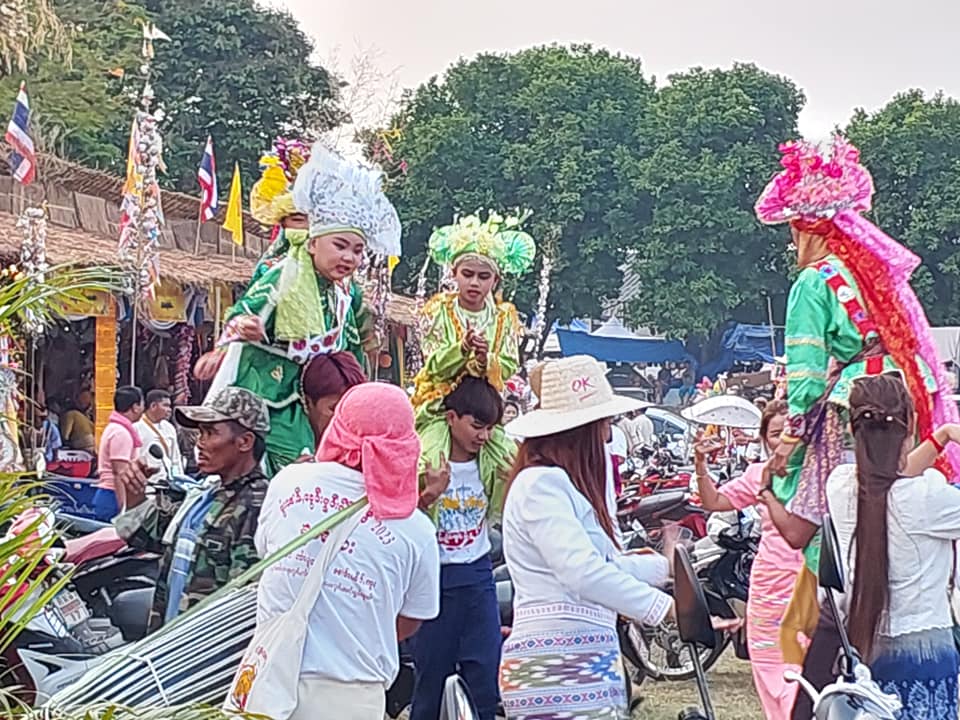
Poy Sang Long reflects the religious beliefs associated with the establishment of Tai land by focusing on Tai cultural identity. As time goes on the festival is compared to a young boy who is of the age to attend ordination (Ratchanon Nuamna 2023). The term poy refers to the ceremony of ordainment of novices. Sang refers to a novice while Long refers to a deityis descent. Therefore Sang Long refers to a novice who is the descendant of a deity. Sang Long is regarded by Shan people as a Guardian angel. The more Sang long the happier you will be (Poramin Narata 2016).
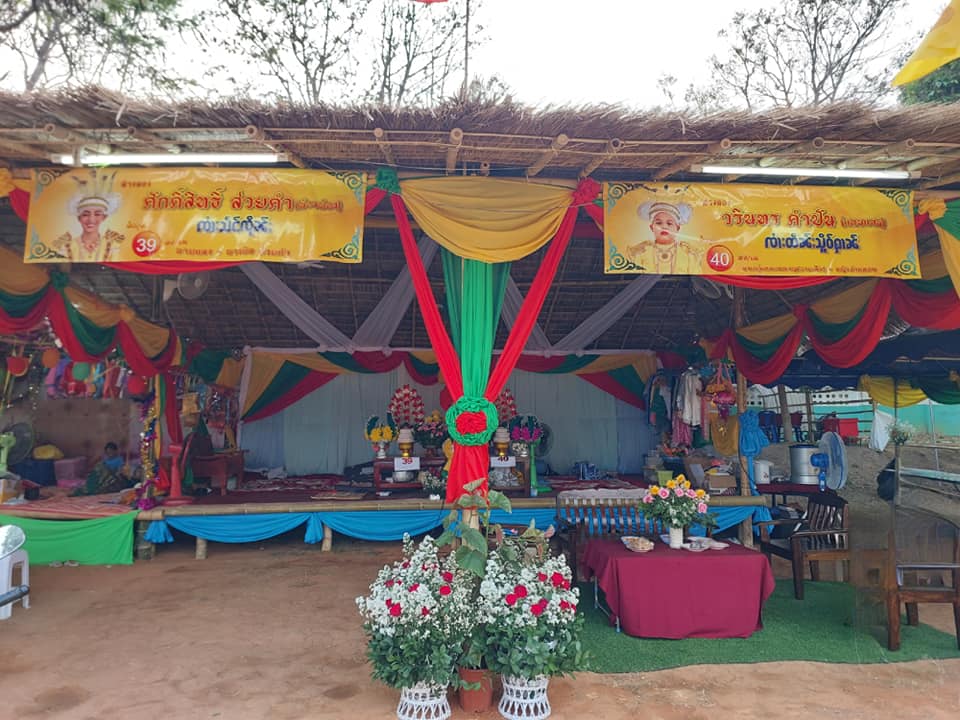
A performance of Poy Sang Long is based on Buddhist beliefs regarding novice ordination. In accordance with Buddhais historical background he was a king or Prince Siddhartha. According to Ratchanon Nuamna (2023) each action taken during Poy Sang Long festival is similar to how people treat the Buddha. There are some areas where Sang Long are treated as princes or royalty whose feet should not touch the ground. Accordingly Sang Long dressed as a Burmese king wearing loincloths pointed sleeves with sequins jewelry and diamonds. He also wore necklaces bangles rings and a headband adorned with flowers (or a crown or pointed crown in certain areas.)
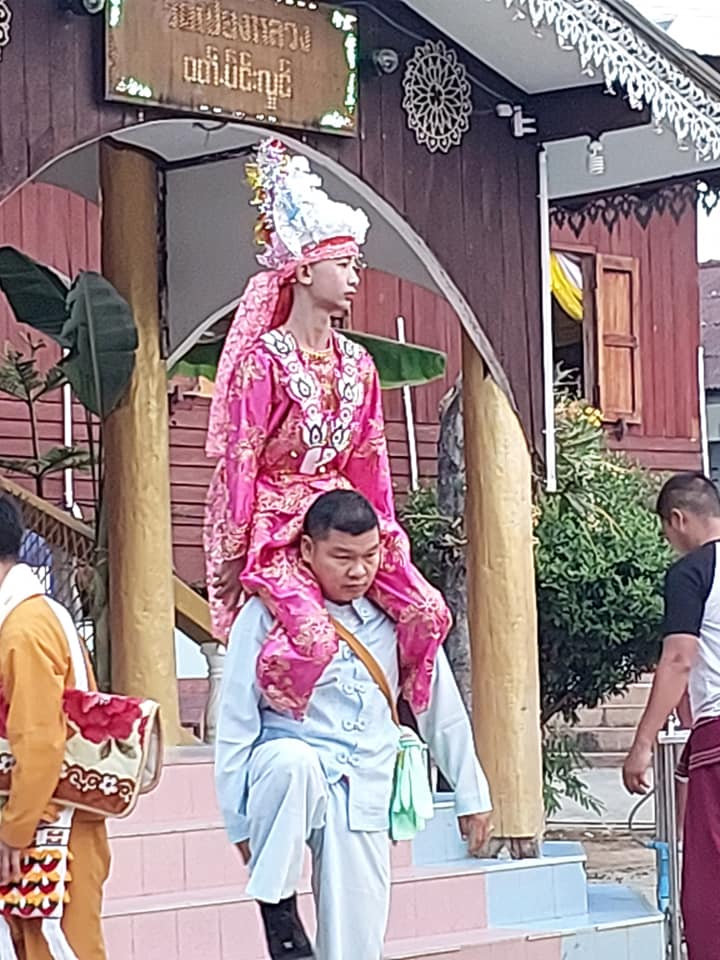
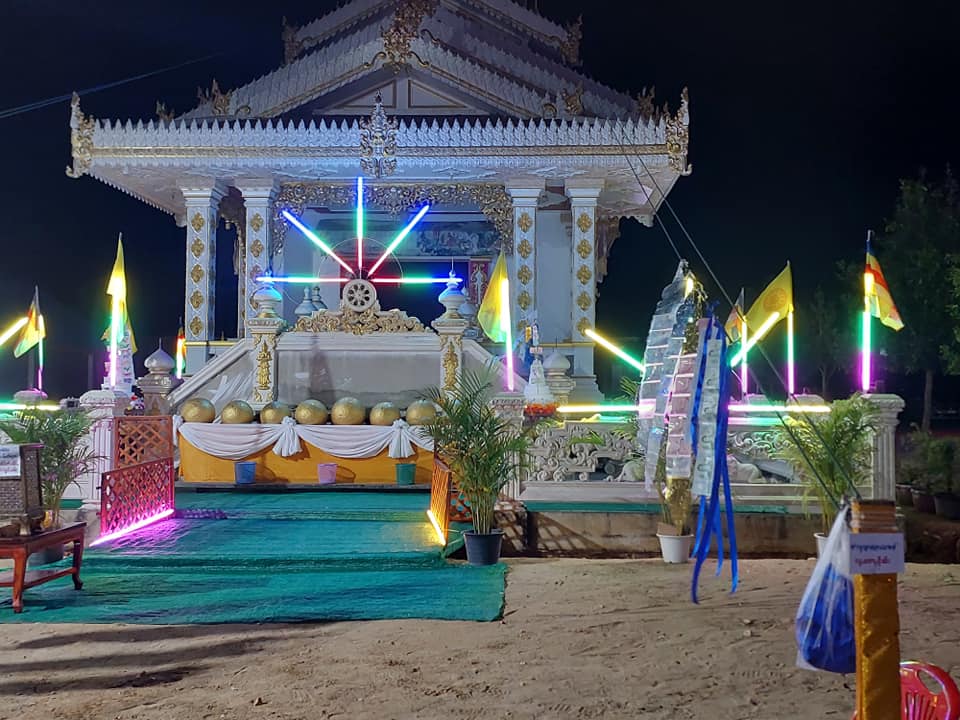
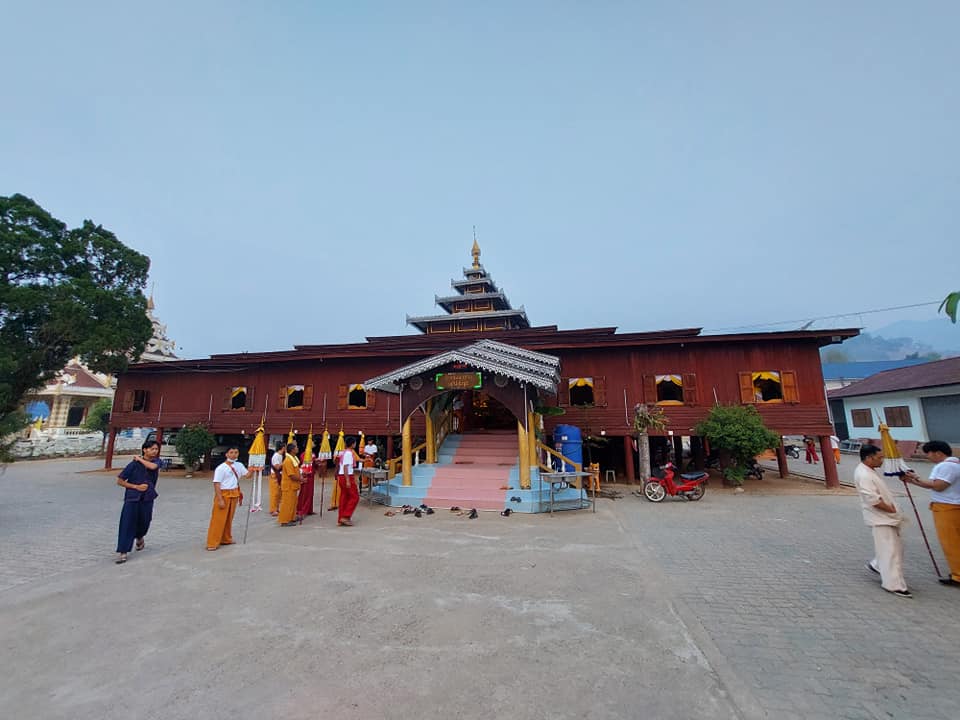
It was stated by Phramaha Krisorn Kanlayataro (2021) that Poy Sang Long is a novice ordination which entails Kumsang (ordination) in which the novices are dressed as angles and are not permitted to have their feet on the ground. Novices may ride elephants horses or oneis shoulder. Poy San Long lasts for three to seven days and the Sang Long parade takes place every day. As part of the evening ritual Sang Long is paraded three times around the vihara. As part of the festival Shan plays are performed during the daytime and at night until the ordination ceremony.
Map
Tourist Attraction
- Lisu New Year (19897)
- Wat Fa Wiang Inn (19718)
- Para Long Mueng Poy Lern Sib ed Ok Wah Lu Chong Kheng Tang Pud or Chong Para (19682)
- Kinwa KhaoJawe and Lahu New Year Festivals (19666)
- Chinese New Year (19527)
- Poy Sang Long (19507)
- Poy Pee Mai Tai (19475)
- Poy Khao Wa (Buddha Lent) (19457)
- Wat Huai Krai or Huai Krai Temple (19424)
- Poy Ja Ka (19402)